
 Deutsch
 English

Anyone who goes to the cafeteria knows the routine all too well: grab a tray, pause briefly in the middle of the aisle to pick out the daily special, then choose your sides, dessert, and drink. Tap your card at the register, enjoy your meal, and finally, don’t forget to place your cutlery next to your plate! All of this happens in the dining hall—but what’s it really like behind the scenes of campus dining?
At the start of the semester, Sascha Kortegast makes it happen. The assistant manager of our cafeteria shows us what the commercial kitchen looks like, how his team ensures fresh food on our plates every day, and gives us an inside look at the cafeteria’s operations. So, let’s put on our protective gear and head behind the serving counter.
(Fun) Facts about the cafeteria
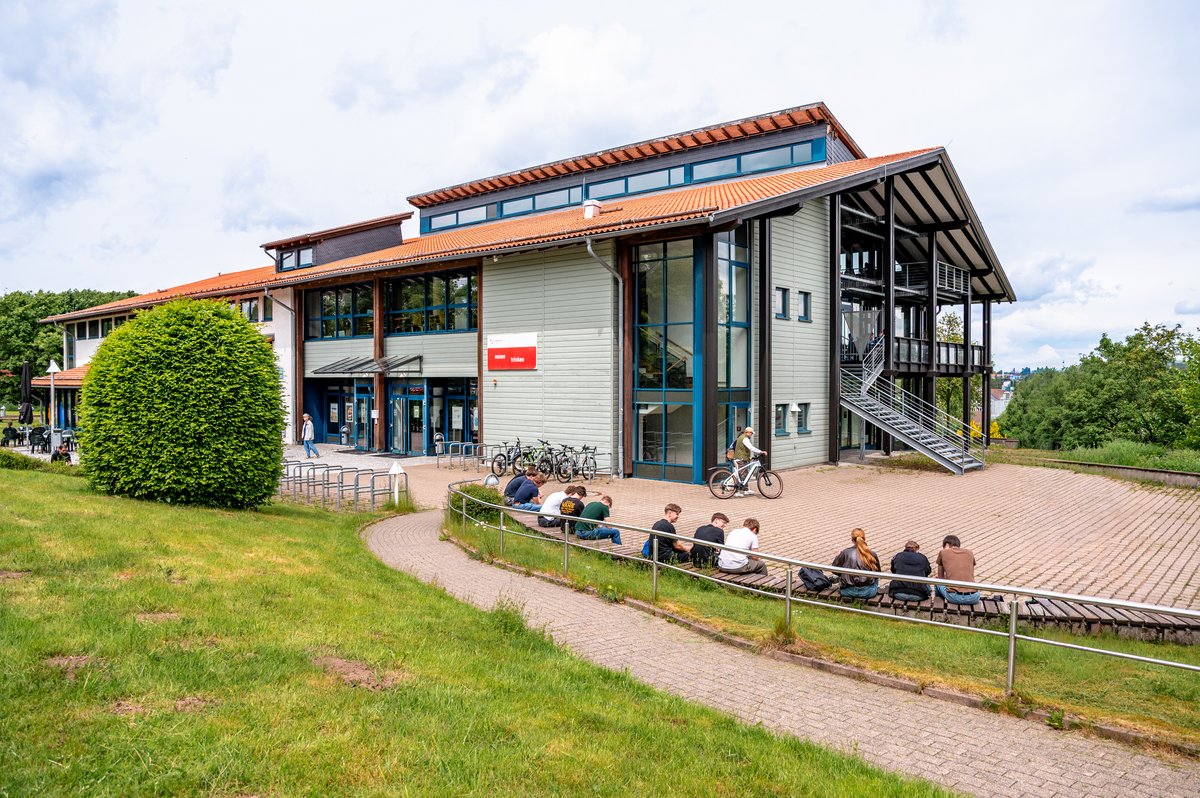
Basically, every college or university needs a cafeteria. That’s not just student wisdom—it’s a legal requirement. The 57 German Student Services Organizations (Deutsche Studierendenwerke) are responsible for implementing this. Nationwide, they manage a total of 893 campus dining facilities—about 400 of which are cafeterias (as of October 2025). Their mission: the cafeteria provides all members of the university community with balanced, healthy meals at affordable prices. As a place where people come together, eat together, and interact, it also plays an important social role in campus life.
Furthermore, each university dining service adapts to the needs of its specific campus location. The Clausthal cafeteria on Leibnizstraße has been in operation since 2001. Previously, there was a university dining facility on Osteröder Straße—directly behind the StuZ. With the new building, Clausthal University of Technology created a central location with state-of-the-art facilities and more space right in the middle of the Feldgraben campus.
Convenience food—fast, efficient, and high-quality
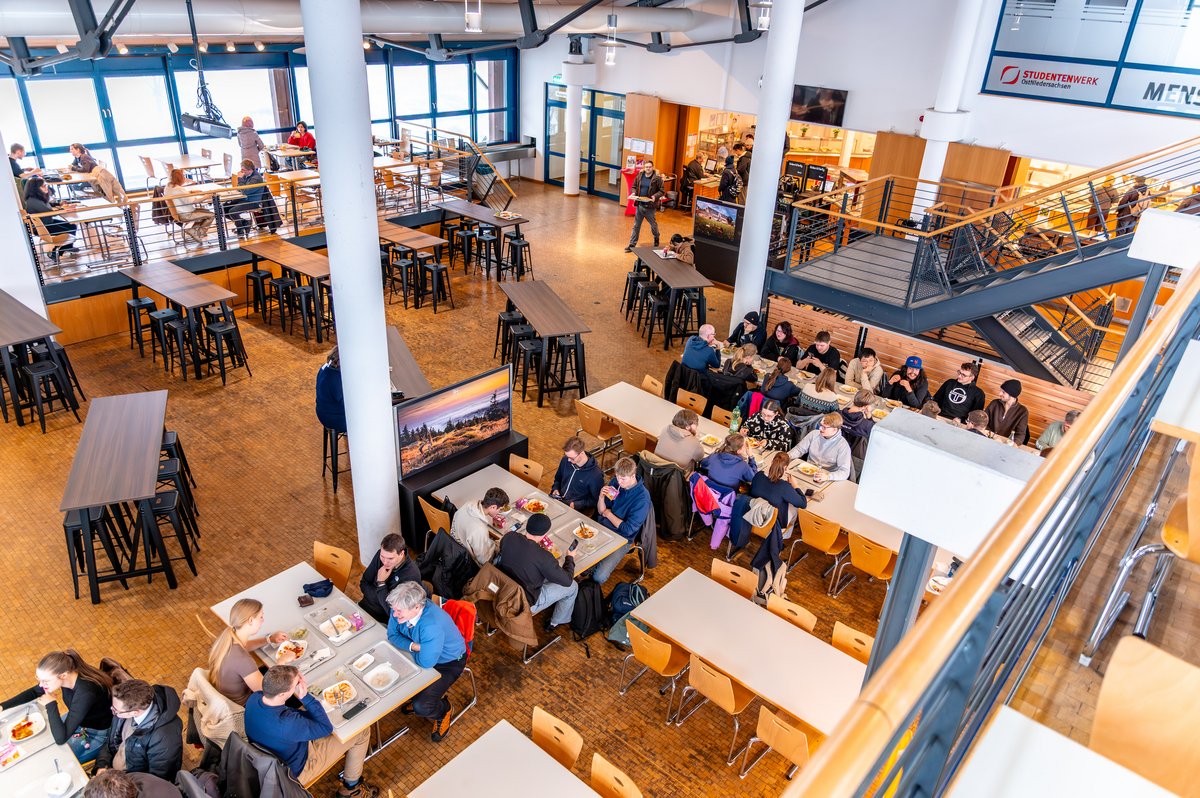
Today, the cafeteria serves an average of 400 to 500 meals a day to students, staff, and guests at Clausthal University of Technology. “Before the pandemic, it was up to 900, but since then, that number has unfortunately dropped significantly,” Sascha Kortegast reports at the start of the cafeteria tour. This is unlikely due to the quality of the food—which is, in fact, proven to be very good.
“If we use convenience products—then they have to be high-quality,” says Sascha. What does that mean? “Convenience products are individual ingredients that are delivered pre-cooked and frozen. When processing convenience products in our cafeterias, we place great emphasis on consistently high product quality. This is ensured by an internal quality control group, in which the products used are regularly inspected, evaluated, and assessed against our quality standards.”
The Student Services Organization of East Lower Saxony adheres to the quality standards of the German Nutrition Society (DGE). The cafeteria team ensures the use of high-quality products while maintaining strict hygiene standards. “We take a so-called retention sample from every dish and store it for seven days. This is a stricter control measure than in restaurants.” Should anyone become ill after eating in the cafeteria, it would be possible to trace whether—and, if so, which—product was responsible. “So far, there hasn’t been a single case where contaminated food from our cafeteria was the cause,” he assures us.
The assistant manager keeps a close eye on the cafeteria’s inventory: the arrival, refrigeration, best-by dates, and even the date each individual product is served are documented in a database. Sascha is originally a trained chef. After completing his training as a business administrator specializing in the hotel and restaurant industry, he has been ensuring that everything runs smoothly at the Clausthal cafeteria since 2018. Here he leads a team of fourteen employees, including chefs, servers, trainees, warehouse staff, and, of course, administrative staff.
What is a typical workday like in the cafeteria?
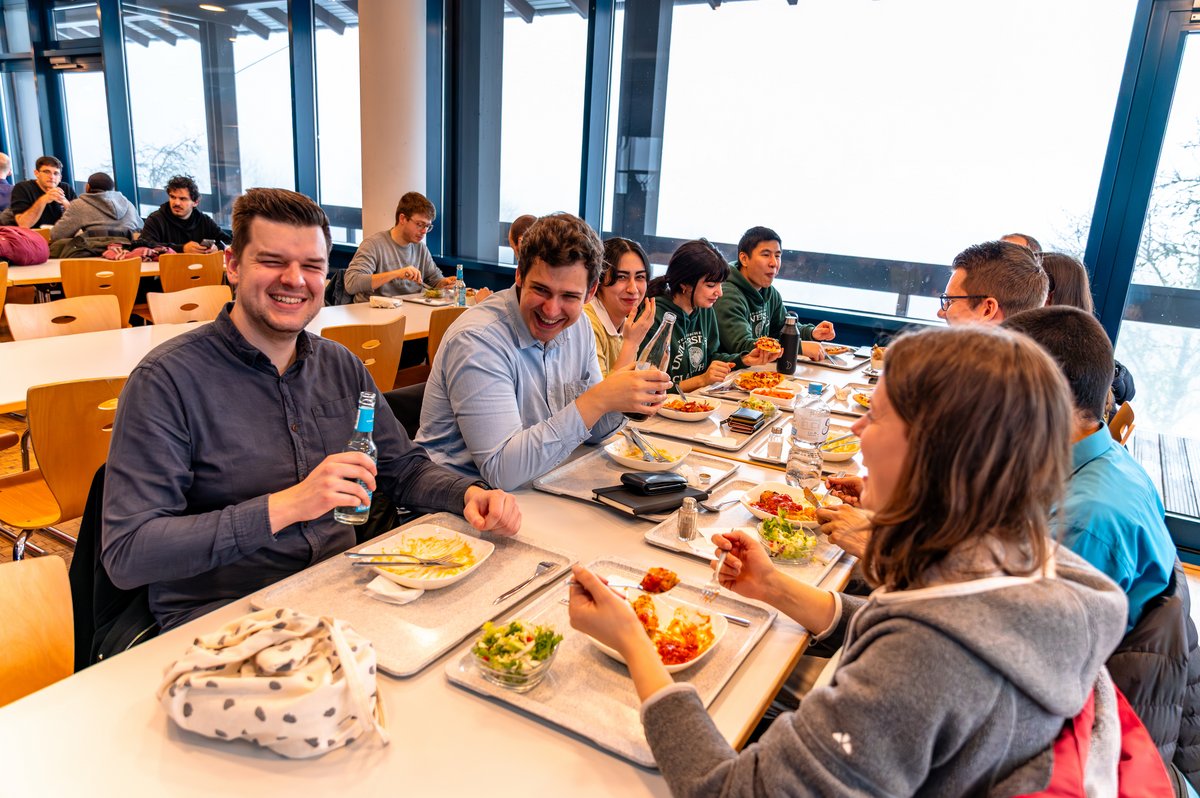
You all make sure we’re well taken care of every day. What does a typical workday in the cafeteria look like? It all starts at 7:30 a.m.: The team begins by preparing the most important meal of the day—breakfast. At 8 a.m., the cafeteria opens for breakfast guests, offering hot beverages, freshly made sandwiches, and pastries.
While the first guests are gathered around the coffee machine, the real work gets underway behind the kitchen door. The kitchen team prepares the daily specials. While cooking is underway in the kitchen, the salad bar and desserts are being prepared in separate rooms.
When we enter the kitchen with Sascha at 10:30 a.m., the daily specials are already prepared and set aside for serving. In the next room over, the dishwashers are hard at work cleaning pots and cooking utensils and setting them aside for the next day.
Between 11:30 a.m. and 2:00 p.m., it’s peak time: serving food, refilling dishes, preparing fresh fries and other sides, taking payments from guests, and washing vast quantities of plates, bowls, and silverware all at the same time. Behind the scenes, the cafeteria administration continues its work: checking inventory levels, placing new orders, receiving deliveries, and storing them.
The guests come first
The cafeteria’s basement houses several cold storage rooms, a large dry storage area, and a beverage storage area. All products are neatly stored here—sorted alphabetically and by best-before date. “With our system, we always keep track of everything and generate as little waste as possible,” explains Sascha.
A great deal of thought also goes into designing the menu to ensure that, ideally, there’s something for everyone. While daily specials are planned well in advance, the chefs don’t decide on the offerings at the hot and salad buffets—as well as the dessert selection—until the day before. Meat features relatively frequently on plates in Clausthal. Those who prefer not to eat meat can find a vegan option every day or choose the Lower Saxony menu—which is usually vegetarian or vegan—for 2.50 euros per person.
The cafeteria closes its doors at 3:00 p.m. By then, the team has cooked hundreds of meals and served guests. For Sascha and his team, the guests are always the clear priority: “We’re the reliable partner who makes everyday life easier for students—that’s the motto we live by here. Every guest gives us the opportunity each day to create a positive moment through quality, friendliness, and service, and to ensure they have a pleasant time in our cafeteria.”
Events in the cafeteria
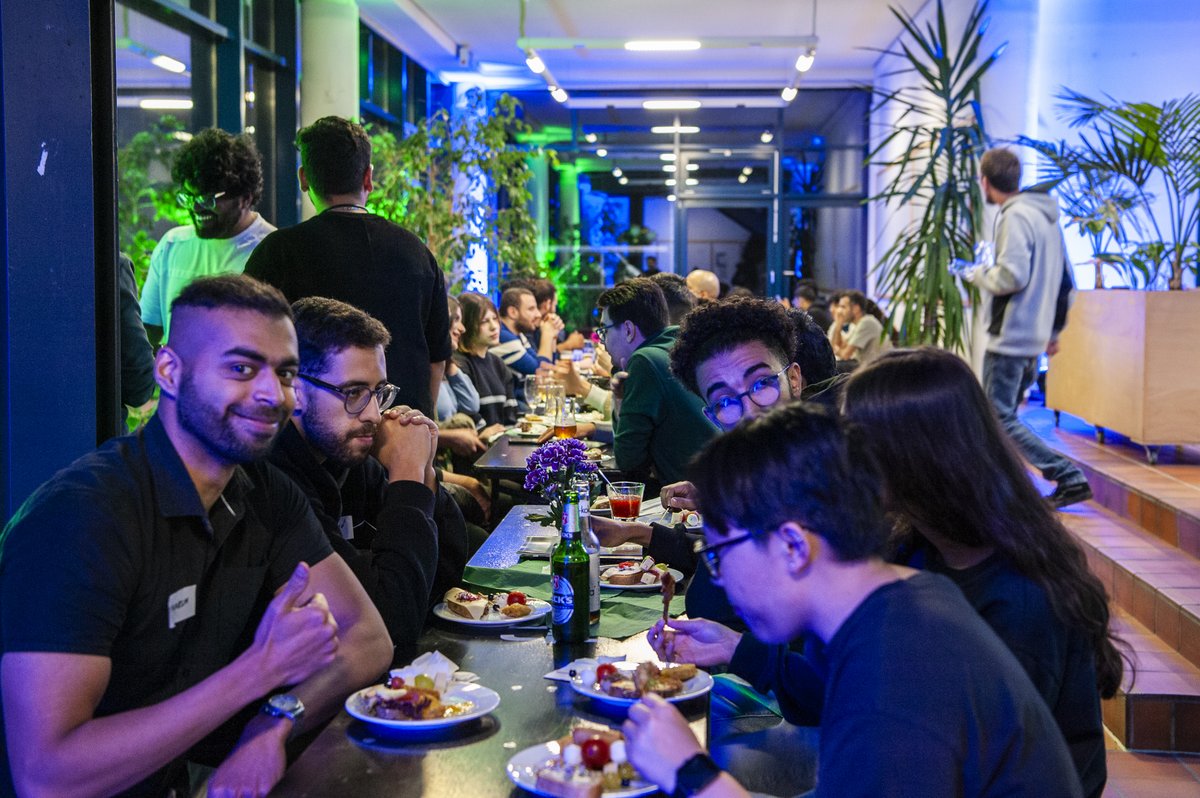
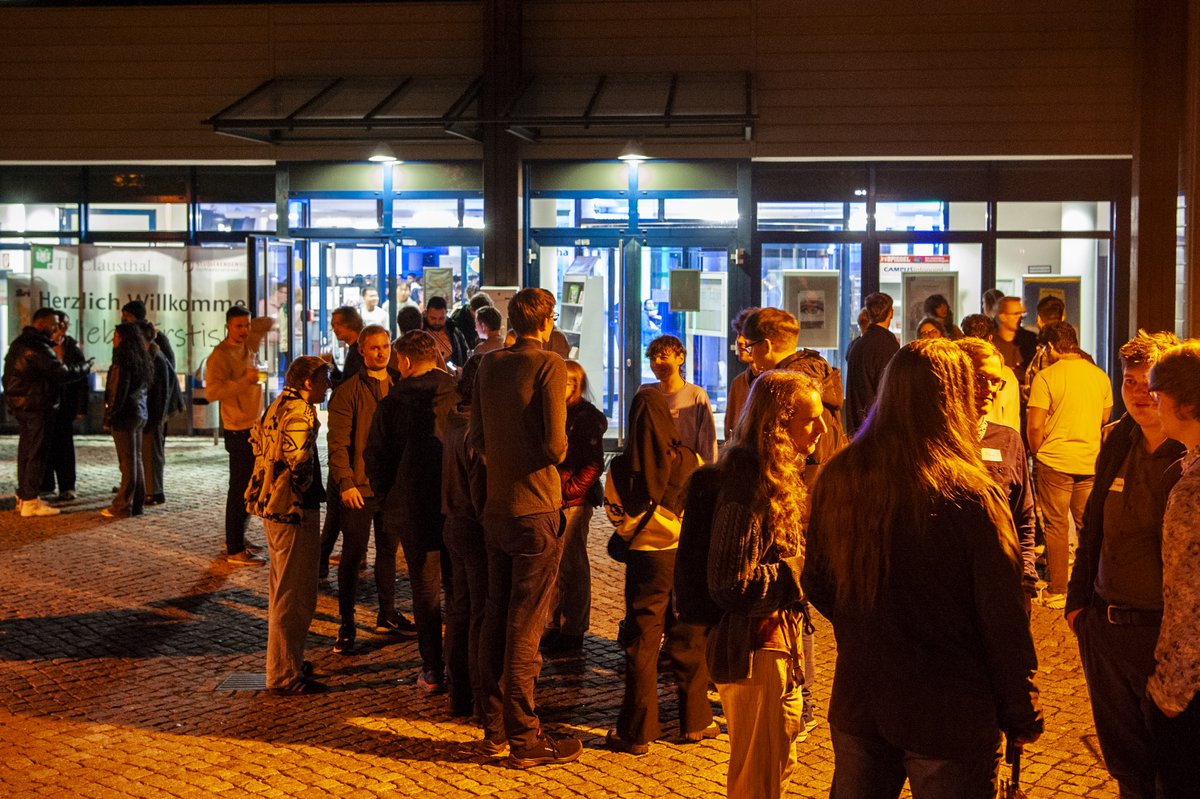
At the end of the tour, the manager emphasizes once again: For campus life, the cafeteria isn’t just a place to eat—it’s also an event venue. From student association parties like the Chemistry Party to the legendary Cafeteria Party and privately organized celebrations, a lot has taken place there.
And sometimes the Student Services Organization (Studierendenwerk) organizes its own events. You can mark the next date on your calendar right away: on Friday, December 4, it’ll be time for some Christmas cheer. That’s when “Mensa Claus—the Campus Christmas Market” will be serving warm drinks and food at student-friendly prices right in front of the cafeteria.
Do you have any questions, suggestions, or ideas for a blog post? If so, please send us an email: blog@tu-clausthal.de